


Returning to activity after knee pain starts with understanding the cause, reducing the movements that trigger symptoms, and rebuilding gradually.
Strength, balance, and your knee’s response afterward help guide progress.
There is no single return date that fits everyone.
“My knee feels better. Can I play again this weekend?”
For active adults over 40, that question is about more than exercise. It is about friends, independence, and doing something you enjoy. My goal is to help you return with a plan your knee can handle.
First, understand what caused the pain
Pain after activity can come from arthritis, tendon irritation, a meniscus problem, or another injury.
The timing matters.
Did pain build slowly after several busy weeks, or start suddenly during a twist?
A knee that locks, gives way repeatedly, or stays swollen deserves an evaluation.
Seek urgent care if you cannot bear weight or your knee is hot and red with fever.
Step 1: Adjust activity while symptoms settle
If playing or running increases your pain, reduce that activity temporarily.
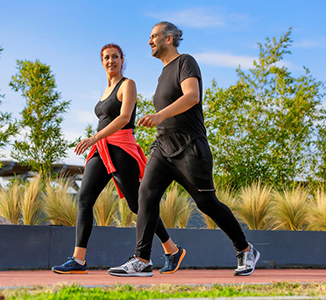
You may tolerate shorter walks, easy cycling, or pool exercise instead.
The goal is to maintain comfortable movement while reducing the demands that caused the flare.
Avoid using pain medicine simply to push through a painful game.
Step 2: Rebuild Strength and Control
Before returning to quick turns or longer distances, work on thigh, hip, and calf strength.
Balance exercises and controlled chair stands may also help, depending on your condition.
Walking comfortably and managing everyday tasks are useful starting points.
Your physician or physical therapist can assess whether you are ready for the demands of your sport.
My MOVE Method combines Motion & Muscle, Optimal Body Weight, Vital Nutrition, and Energy & Recovery to support that process.
Step 3: Practice Before Competing
Your first session back should be easier than your usual workout.
Pickleball: Start with gentle hitting and controlled footwork before full games. Warm up first, and build toward lunging and changing direction.
Golf: Begin with putting, chipping, and comfortable practice swings. Progress toward longer shots and more holes as tolerated. Walking the course adds another demand to consider.
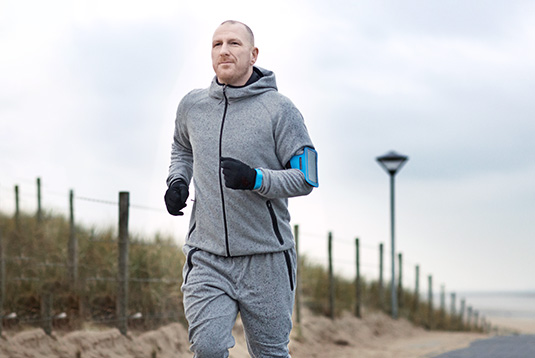
Running: Once walking is comfortable and you are ready, short jog intervals mixed with walking may be a starting point. Leave recovery time between sessions.
These are examples, not a schedule for every injury.
Step 4: Check Your Knee Afterward
Watch for increasing pain, swelling, or a limp during activity.
Check again later and the next morning.
If symptoms remain above your usual level, reduce the next session and reassess.
Increase one demand at a time, such as duration before speed.
A good day does not mean your knee is ready for everything at once.
Build a Plan Around Your Goals
My Knee Preservation Program connects your diagnosis with a personalized plan for strength, symptom management, and activity.
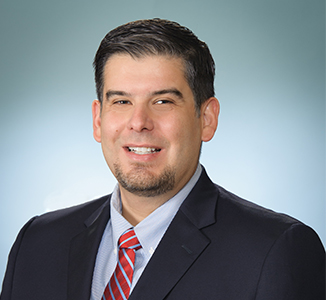
If knee pain keeps interrupting the activities you love, schedule an evaluation with me, Dr. Javier Rios, MD, in the Houston and Clear Lake area.
Let’s work toward a confident return.
Keep your knees. Keep moving.


